How to Troubleshoot Common Issues with Process Temperature Controllers
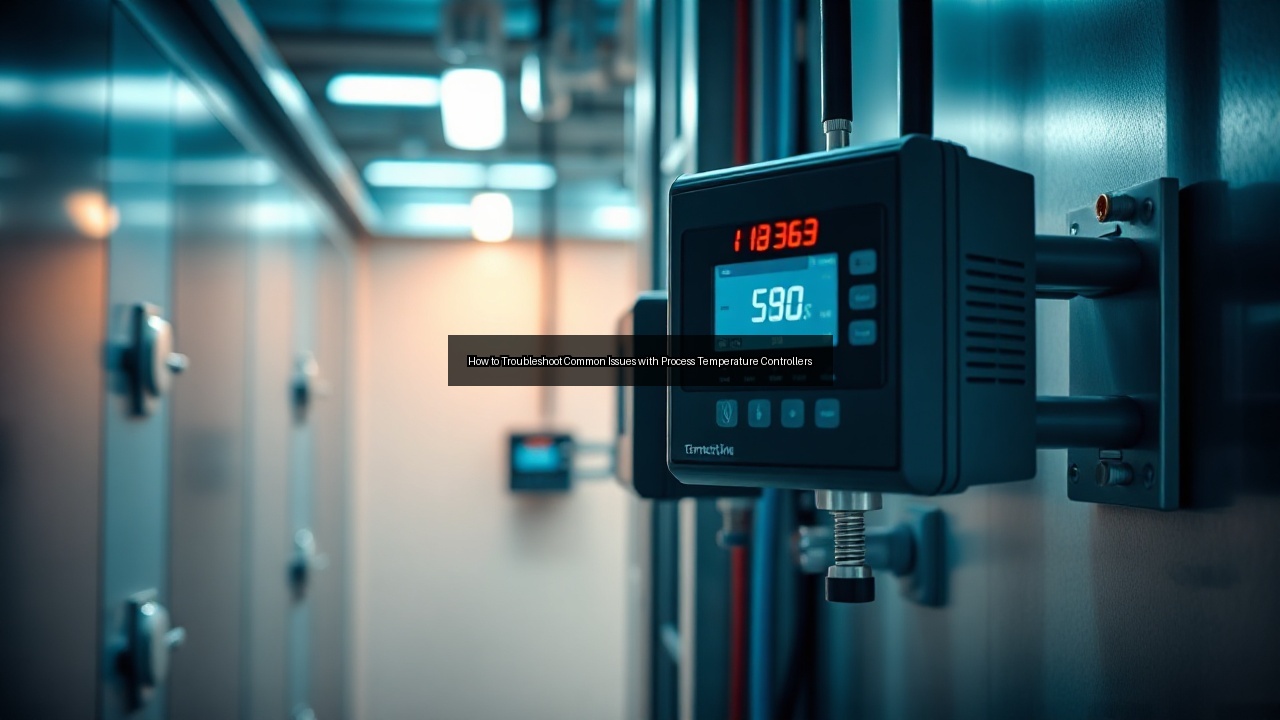
Understanding Process Temperature Controllers
The Importance of Precision in Temperature Control
Precision in temperature control is crucial for various industrial processes, from chemical manufacturing to food production. A process temperature controller ensures that the temperature remains within a specified range, avoiding fluctuations that can lead to product defects or safety hazards. Maintaining precise temperature not only enhances product quality but also optimizes energy consumption, thereby reducing operational costs. In processes like curing or baking, even minor deviations in temperature can result in significant changes in product characteristics. Thus, effective temperature management through reliable controllers is non-negotiable in achieving consistent results and meeting industry standards.
Overview of PID Control Mechanisms
Proportional-Integral-Derivative (PID) controllers are the backbone of modern temperature control systems. PID control mechanisms continuously calculate an error value as the difference between a desired setpoint and a measured process variable. The controller adjusts the process control outputs based on this error, improving system stability and response time. The proportional component addresses the current error, the integral component focuses on the accumulation of past errors, and the derivative component anticipates future error trends. This combination allows PID controllers to provide exceptional accuracy and responsiveness in temperature regulation, crucial for processes requiring tight control and minimal variations.
Common Types of Process Temperature Controllers
Process temperature controllers come in various configurations tailored to specific applications. Common types include panel-mount controllers, which integrate seamlessly into control panels, and DIN rail controllers, designed for easy mounting in electrical cabinets. Surface-mount controls offer flexibility for installations where space is limited. Each type serves distinct environments and requirements, with options for features such as RS-485 and Modbus communication protocols for enhanced connectivity. These controllers can regulate not just temperature but also humidity and pressure, making them versatile tools in automated processes. Understanding these types helps in selecting the appropriate controller for specific industrial applications.
Identifying Common Issues with Temperature Controllers
Calibration Challenges and Solutions
Calibration challenges often arise when process temperature controllers do not reflect actual temperature measurements accurately. Factors such as sensor drift, installation errors, or environmental influences can lead to discrepancies. Regular calibration is essential to ensure that the temperature readings align with actual values. Employing standard calibration practices, such as using a reference thermometer, can help verify accuracy. If calibration issues persist, consider re-evaluating the installation of thermocouples or other temperature sensors. Some controllers also feature self-calibration options that can simplify the process. Addressing calibration challenges promptly industrial temperature controls ensures that the system maintains its reliability and precision.
Accuracy and Measurement Concerns
Accuracy in measurement is vital for effective temperature control. Inaccurate readings can lead to improper process adjustments, resulting in product defects or safety violations. Common sources of measurement errors include faulty thermocouples, poor contact with the material being measured, or interference from environmental factors. Regularly inspecting and testing temperature sensors can mitigate these issues. Utilizing high-quality thermocouples and ensuring proper installation techniques can significantly improve measurement accuracy. Additionally, incorporating features like infrared temperature detectors can enhance measurement reliability, especially in applications where contact methods may not be feasible.
Troubleshooting Thermocouple Errors
Thermocouples serve as critical components in measuring temperature for process controls. Errors with thermocouples can stem from various issues, including wire damage, poor connections, or incorrect calibration. Identifying these problems requires systematic troubleshooting. Start by checking the connections to ensure they are secure and free from corrosion. If the thermocouple appears damaged, replacing it may be necessary. Additionally, verifying the type of thermocouple used is essential, as different types (such as J, K, or T) have specific characteristics that influence performance. Regular testing with a multimeter can also help detect faults early, ensuring the temperature control system operates optimally.
Effective Troubleshooting Techniques
Utilizing RS-485 and Modbus for Communication
RS-485 and Modbus communication protocols enhance the functionality of process temperature controllers by enabling easy integration into automated systems. Utilizing these protocols allows for remote monitoring and control, providing real-time data on temperature readings and system performance. Implementing RS-485 facilitates reliable communication over long distances, making it ideal for large industrial setups. Modbus, being a widely adopted protocol, ensures compatibility across various devices, simplifying system integration. When troubleshooting communication issues, verify DIN-rail controls the wiring and settings for both protocols. Ensuring that devices are correctly configured can significantly improve the reliability and speed of data transmission.
Assessing DIN Rail vs. Panel-Mount Options
Choosing between DIN rail and panel-mount temperature controllers hinges on specific installation requirements and space constraints. DIN rail controllers are compact and designed for easy installation in electrical cabinets, providing a neat and organized setup. They are particularly advantageous in environments where space is limited. In contrast, panel-mount controllers offer ease of accessibility and visibility, making them suitable for applications where operators need to monitor settings frequently. Assessing the layout of the workspace and considering factors such as accessibility and maintenance can guide the decision in selecting the appropriate mounting option for process temperature controllers.
Configuring Inputs and Outputs for Optimal Performance
Configuring inputs and outputs correctly is essential for maximizing the performance of process temperature controllers. Controllers with configurable inputs and outputs allow for tailored setups that suit specific operational needs. Ensure that the inputs are set to match the type of temperature sensors used, whether thermocouples or RTDs. Additionally, outputs should be configured to work with heating or cooling systems effectively. Employing automation features can further enhance performance, enabling the controller to adjust settings based on real-time data. Regularly reviewing and updating configurations helps maintain optimal control over temperature processes, ensuring efficiency and reliability.
Best Practices for Maintenance and Optimization
Regular Calibration and Maintenance Schedules
Establishing regular calibration and maintenance schedules is vital for sustaining the performance of process temperature controllers. Routine checks help identify issues before they escalate, ensuring continued accuracy and reliability. A well-defined maintenance schedule should include inspections of thermocouples, calibration of controllers, and testing of communication protocols. Documenting these activities provides insights into the system’s performance over time, aiding in predictive maintenance efforts. By adhering to these schedules, facilities can significantly reduce downtime and enhance the longevity of their temperature control systems.
Choosing the Right Controller for Your Application
Selecting the appropriate process temperature controller is pivotal for achieving desired outcomes in temperature regulation. Consider factors such as the type of application, required precision, and environmental conditions when making a choice. Evaluate whether a PID controller is necessary for your process or if a simpler thermostat will suffice. Additionally, assess the compatibility of the controller with existing systems, including the type of communication protocols used. Understanding the specific needs of your operation will guide you toward the right controller options, enhancing efficiency and ensuring that temperature fluctuations remain within acceptable limits.
Integrating Automation for Enhanced Process Control
Integrating automation into temperature control systems can yield substantial benefits, including improved accuracy and efficiency. Automated systems enable real-time monitoring and adjustments based on temperature measurements, minimizing human error and enhancing responsiveness. Automation tools can also provide valuable data analytics, helping operators identify trends and optimize processes. Consider employing PC-programmable controllers to expand functionality and adapt to changing operational needs. By leveraging automation alongside process temperature controllers, industries can achieve optimal performance and maintain tight control over critical manufacturing processes.