Transforming Gas Cylinders with Metal Spinning Techniques
Understanding Metal Spinning Techniques
Overview of Metal Spinning Process
Metal spinning stands as a remarkable metalworking technique that transforms flat sheets of metal into cylindrical shapes through a spinning motion. This process involves clamping a metal disc onto a rotating spindle, where tools apply force to shape the metal against a mold. The metal spins around an axis, allowing it to take on the desired form with precision. The craftsmanship behind metal spinning allows for creating intricate designs, making it ideal for various applications, including gas cylinders. The technique is favored for its ability to produce high-quality components with consistent wall thickness, which is crucial in maintaining the structural integrity of gas cylinders.
Key Tools and Equipment in Metal Spinning
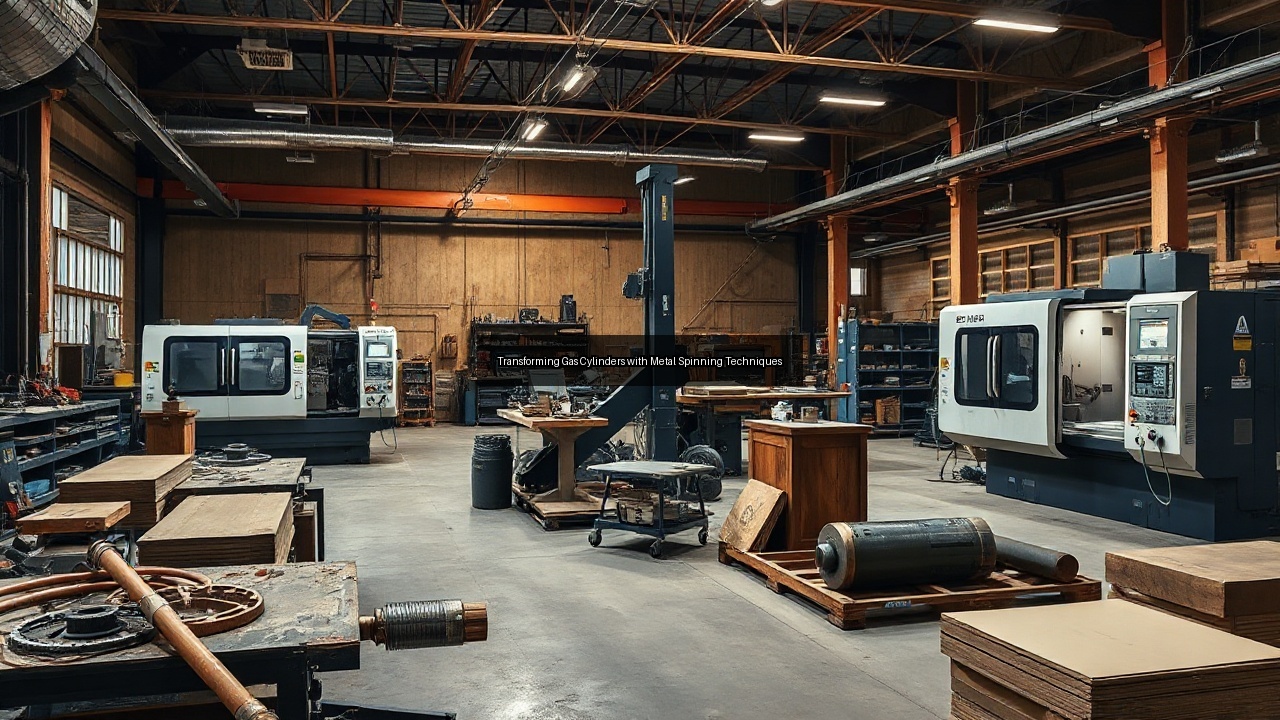
Successful metal spinning relies on several key tools and equipment. The primary tool is the lathe, which rotates the metal while the operator applies pressure with a tailstock tool. This tool not only holds the metal securely but also ensures even shaping during the spinning process. Other essential equipment includes CNC machining systems, which enhance precision and control over the spinning process. These systems allow for intricate designs and adjustments that manual methods cannot achieve. Additionally, bearings play a critical role in reducing friction and ensuring smooth rotation, resulting in a flawless finish on the spun metal. The combination of these tools creates a robust setup for effective metal fabrication.
Different Types of Metals Used in Spinning
Metal spinning accommodates a diverse range of materials, each offering unique properties suitable for various applications. Commonly used metals include aluminum, brass, copper, carbon steel, and even alloys like bronze. Each metal presents different challenges and benefits; for example, aluminum is lightweight and easy to form, while carbon steel offers superior strength. The choice of metal affects the final product's durability and performance, especially for critical applications like gas cylinders. Additionally, the ability to spin different metals allows manufacturers to cater to specific industry needs, enhancing the versatility of metal spinning in metal fabrication.
Applications of Metal Spinning in Gas Cylinder Manufacturing
Design Considerations for Gas Cylinders
Designing gas cylinders requires careful consideration of several factors, including pressure ratings, material selection, and shape. Metal spinning excels in producing gas cylinders with precise dimensions and smooth surfaces, essential for safety and performance. The cylindrical shape allows for even distribution of stress, which is vital when containing pressurized gases. Manufacturers can use software to simulate the spinning process, ensuring the design meets all regulatory standards. Moreover, the ability to create custom designs through metal spinning allows for tailored solutions that meet specific industry requirements, enhancing the functionality of gas cylinders.
The Role of CNC Machining in Metal Spinning
CNC machining plays a pivotal role in modern metal spinning, adding precision and efficiency to the production process. By integrating CNC systems, manufacturers can create intricate designs and maintain consistent quality in every spun component. The automation of the spinning process reduces the risk of human error, ensuring tighter tolerances and better surface finishes. CNC machining also allows for rapid prototyping, enabling companies to test designs before full-scale production. As a result, manufacturers can respond quickly to market demands while maintaining high standards in gas cylinder manufacturing.
Innovative Uses of Spun Metal in Engineering
Beyond gas cylinders, spun metal finds innovative applications in various engineering fields. For instance, industries utilize spun metal for lighting fixtures, decorative components, and even aerospace applications. The unique characteristics of spun metal, such as lightweight and strength, make it suitable for creating complex geometries that enhance performance in engineering designs. Custom shapes, like toroidal forms, can be efficiently produced through metal spinning, allowing engineers to explore new design possibilities. This versatility positions metal spinning as a vital technique in advanced engineering and product development.
The Advantages of Metal Spinning Over Other Metal Forming Methods
Comparative Analysis: Metal Spinning vs Stamping
Metal spinning and stamping represent two distinct metal forming methods, each with unique advantages. Stamping involves pressing flat sheets of metal into shapes using dies, which can be efficient for high-volume production. However, metal spinning provides greater flexibility in terms of design and material options. Unlike stamping, which is limited by the complexity of dies, metal spinning can produce intricate shapes and varying thicknesses without the need for extensive tooling changes. This adaptability makes metal spinning a preferred choice for custom and low-volume production runs, particularly in the manufacturing of gas cylinders.
Benefits of Precision Metal Spinning
Precision metal spinning offers numerous benefits that enhance the overall quality of the final products. This method allows for a consistent wall thickness and eliminates the need for extensive finishing processes. The smooth surfaces produced through spinning minimize the risk of defects, reducing the likelihood of failures in applications like gas cylinders. Additionally, the precision achieved through CNC machining in metal spinning leads to tighter tolerances, which is crucial for components that require exact specifications. Manufacturers enjoy increased reliability and performance in their products, solidifying the position of metal spinning as a superior method in metal fabrication.
Cost-Effectiveness and Efficiency in Production
Cost-effectiveness remains a significant advantage of metal spinning, especially when compared to traditional metal forming methods. The reduced need for tooling and the ability to produce parts with minimal waste contribute to lower production costs. Additionally, the quick setup times associated with metal spinning translate to faster turnaround for projects, enabling companies to meet tight deadlines. The efficiency of the spinning process allows manufacturers to optimize their production schedules, resulting in improved profitability. This combination of cost savings and efficiency makes metal spinning an attractive option for businesses looking to enhance their metalworking capabilities.
Future Trends in Metal Spinning and Fabrication
Emerging Technologies in Metalworking
The future of metal spinning and fabrication looks promising, with emerging technologies poised to revolutionize the industry. Advances in automation and robotics are streamlining production processes, reducing labor costs, and enhancing precision. These technologies facilitate faster production rates and allow for complex designs that were previously challenging to achieve. Additionally, the integration of artificial intelligence in CNC machining systems leads to smarter manufacturing solutions that can predict maintenance needs and optimize workflows. As technology continues to evolve, metal spinning will adapt, ensuring that manufacturers remain competitive in a rapidly changing market.
Sustainability in Metal Spinning Practices
Sustainability increasingly influences manufacturing practices, including metal spinning. Companies are exploring eco-friendly materials and processes to minimize their environmental footprint. The ability to recycle metals like aluminum and steel contributes to sustainable practices in spinning. Furthermore, advancements in energy-efficient machinery reduce energy consumption in production. Manufacturers embracing sustainability not only improve their corporate social responsibility but also appeal to environmentally conscious consumers. As the demand for sustainable manufacturing practices grows, metal spinning will play a crucial role in meeting these expectations.
Impact of 3D Printing on Metal Fabrication
3D printing continues to disrupt traditional manufacturing methods, including metal spinning. This technology enables the creation of complex geometries and customized components with ease. However, metal spinning holds its ground by offering distinct advantages in terms of material properties and production speed. While 3D printing is ideal for prototyping and small runs, metal spinning excels in producing high-quality, durable components at scale. The combination of both technologies can lead to innovative solutions in metal fabrication, allowing manufacturers to leverage the strengths of each method for optimal results in gas cylinder production and beyond.